Ask naturally
Start with the question you actually have. ARK understands taxa, places, time ranges, collections, and research themes.
Biodiversity intelligence, preserved
ARK is a biodiversity language model trained on a verified research corpus. It brings billions of occurrence records, natural history collections, and peer-reviewed papers into one body of evidence you can question in plain language.
Verified local snapshot · 1 August 2026
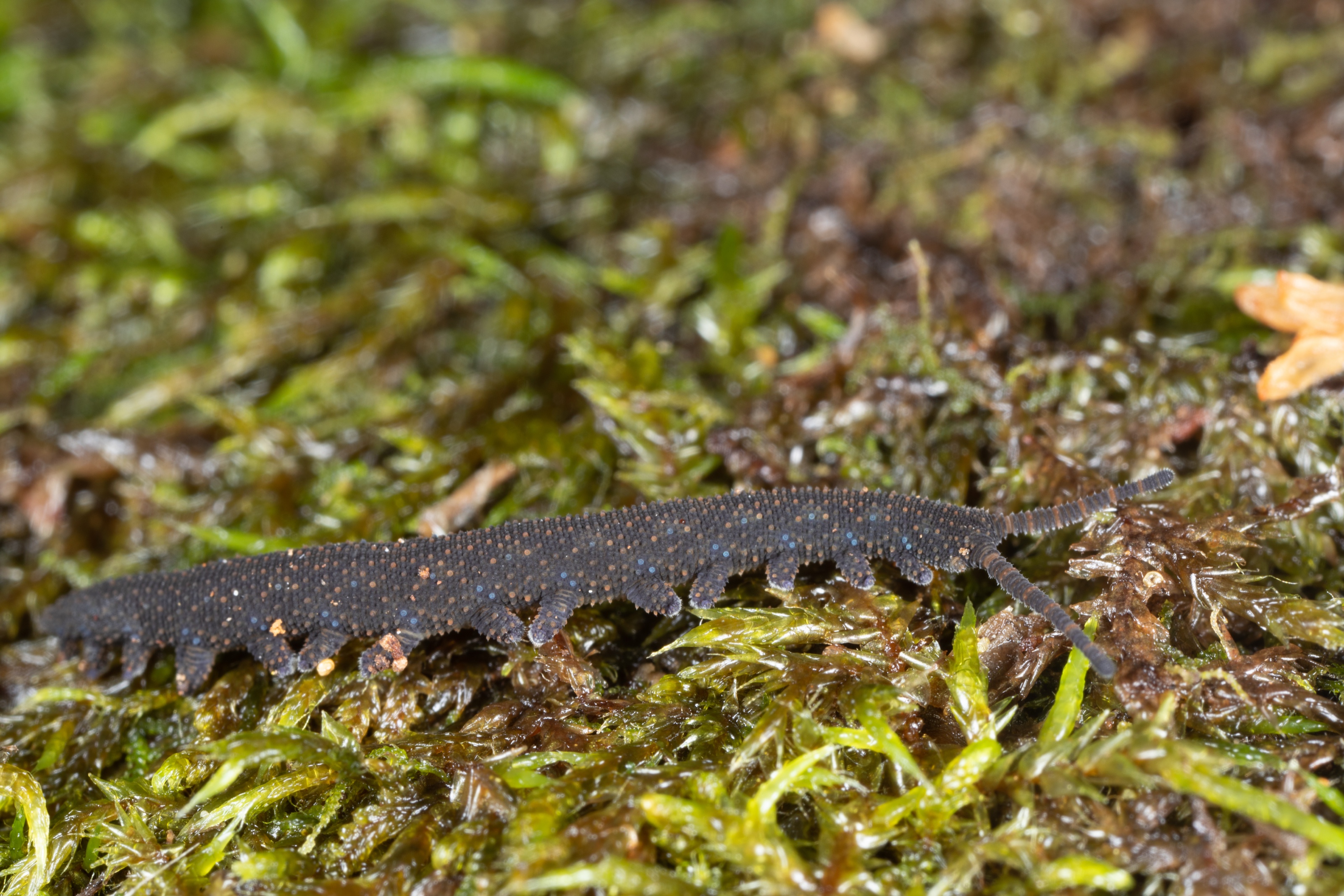
Ooperipatellus
Australia · 2023
01 / What ARK is
Biodiversity data is immense, scattered, and difficult to read as a whole. ARK turns that archive into a research instrument.
Ask about a species, a place, a collection, or a body of literature. ARK reads across the corpus, finds the relevant evidence, and returns an answer that keeps its records and citations attached. It is designed for discovery without giving up the proof.
02 / Ask the archive
A research model for biodiversity
ARK does more than retrieve a matching sentence. It brings the taxon, event, institution, literature, media, and license context into the same research path.
Try a research question
The corpus contains a human observation from the Philippines recorded on 5 April 2025. The accepted record places this hydrozoan in the family Protiaridae and preserves the image, date, location, and authorship together.
03 / The method
Built for careful work
Start with the question you actually have. ARK understands taxa, places, time ranges, collections, and research themes.
Answers stay connected to records, papers, images, licenses, and the decisions used to narrow the result.
A dated, preserved corpus makes the work repeatable. The same question can be inspected, refined, and cited later.
04 / The living record
Real material from the corpus
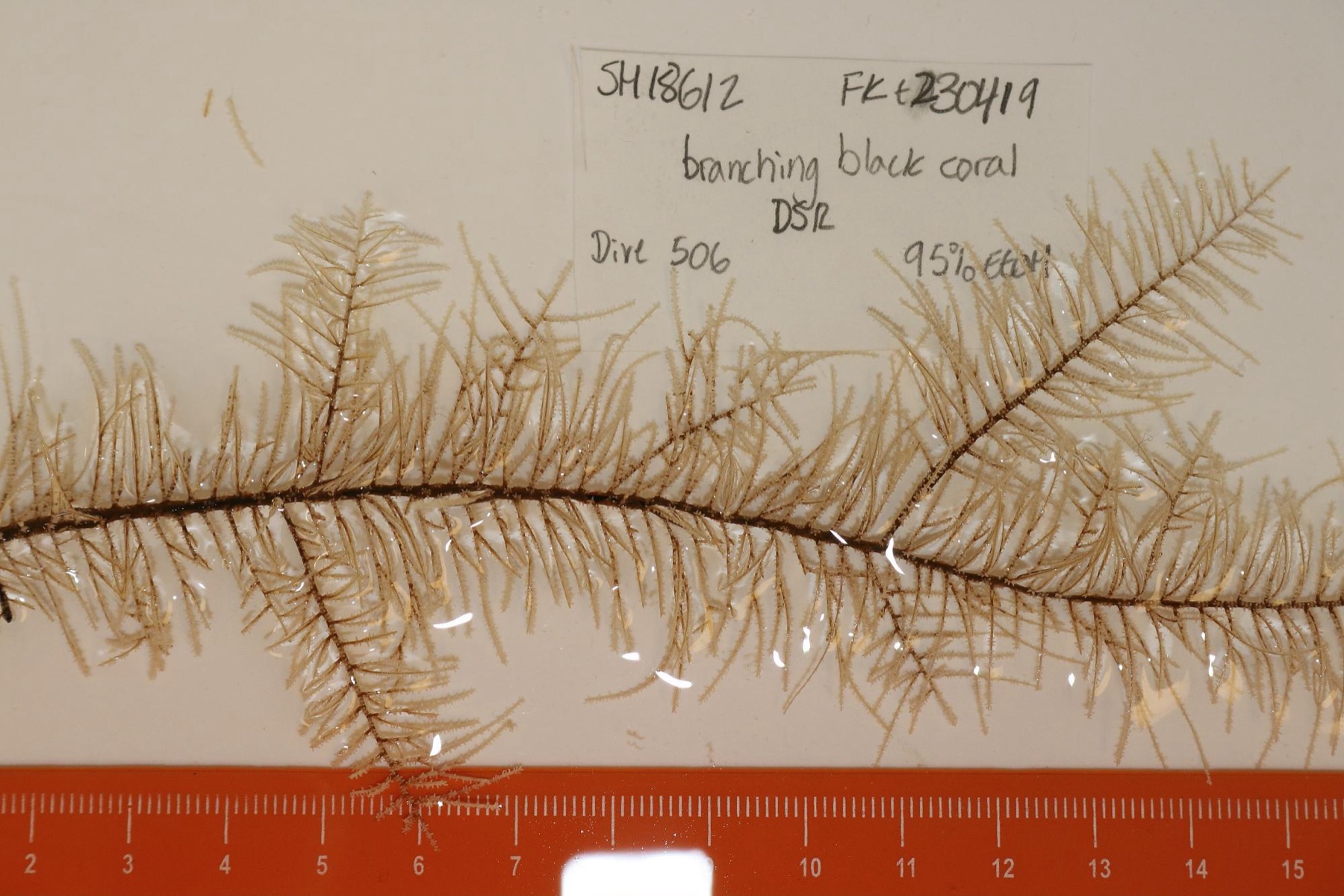
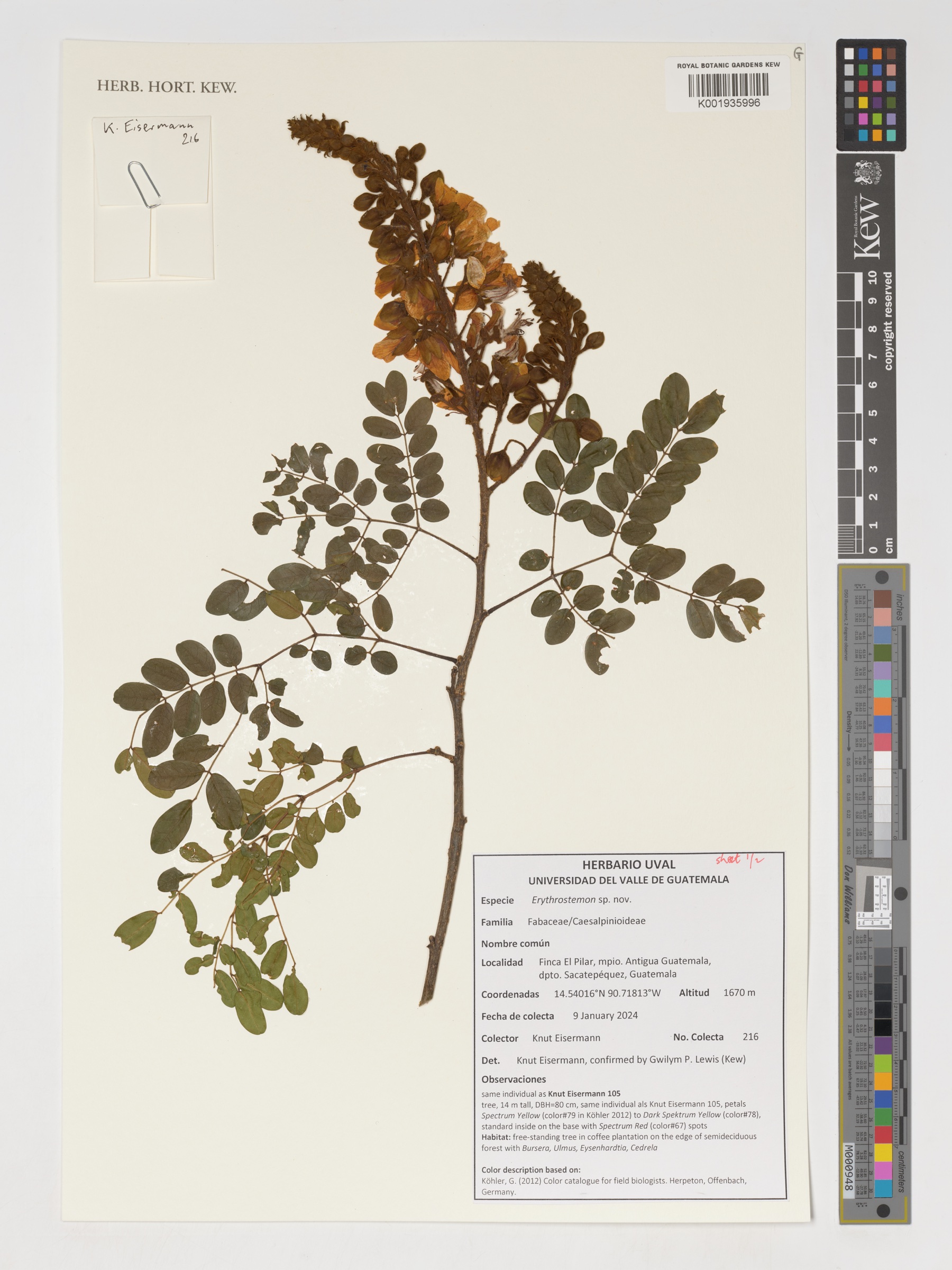
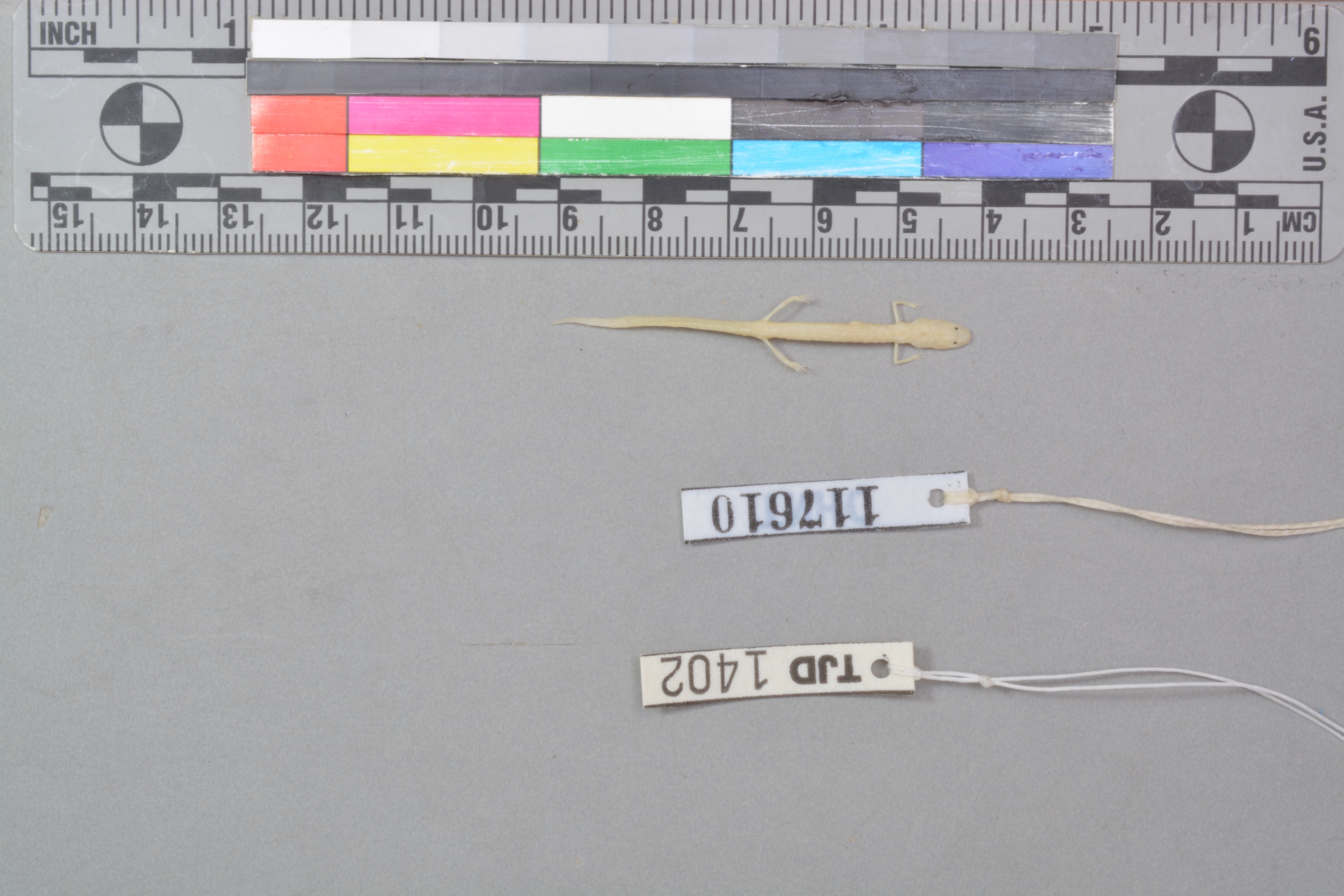
Field observations sit beside type specimens, herbarium sheets, institutional collections, and the literature that gives them meaning. These are four records held inside ARK today.
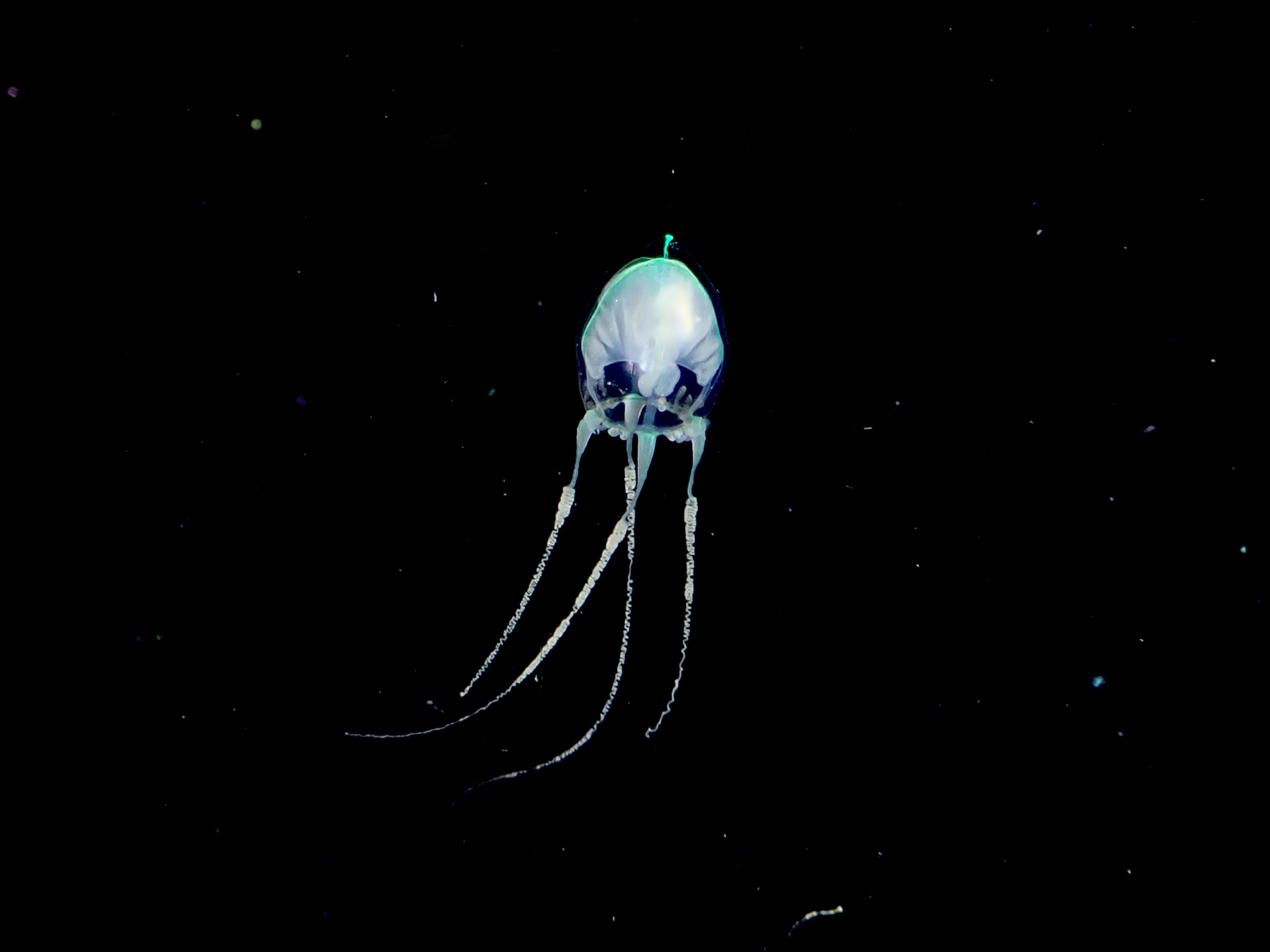
Human observation · Philippines · 5 April 2025
Showing slide 1 of 4: Halitiara rigida
05 / Data in use
Thematic communities
Paper counts below come from the verified literature collection. They show where the corpus is already deep enough to support focused research communities.
Connect species records, protected places, and published research to see where evidence is strong and where it is still thin.
peer-reviewed papersTrace how researchers use biodiversity records to study shifting ranges, seasonal change, and ecological response.
peer-reviewed papersFollow first records, spread through time, and the collections or datasets that support an emerging distribution.
peer-reviewed papersExplore the evidence connecting organisms, environments, vectors, and the research questions that affect people.
peer-reviewed papers06 / The research lab
Built and kept by Celaya Solutions Research

Christopher founded Celaya Solutions Research in 2024 as an independent laboratory focused on multi-agent intelligence systems and tools that extend human reasoning. He leads the design and stewardship of ARK.
Before the lab, Christopher spent more than twelve years working across industrial systems, quality assurance, and hyperscale critical facilities.
That background shapes the way ARK is built: verify what comes in, preserve a known state, make failures visible, and keep a clear path back to the evidence. The lab has also built production retrieval systems over large document archives and a wider portfolio of research instruments for coordinated intelligence.
07 / A clear boundary
What ARK knows
ARK is strongest when the question can be grounded in occurrence records, collections, taxonomy, images, and published biodiversity research. It reports the evidence that is present instead of hiding gaps behind a confident answer.
Records change. Names are revised. Places and time periods are unevenly sampled. ARK makes those limits part of the result so a researcher can decide what the answer is good enough to support.
The next question
Built and maintained by Celaya Solutions Research.